
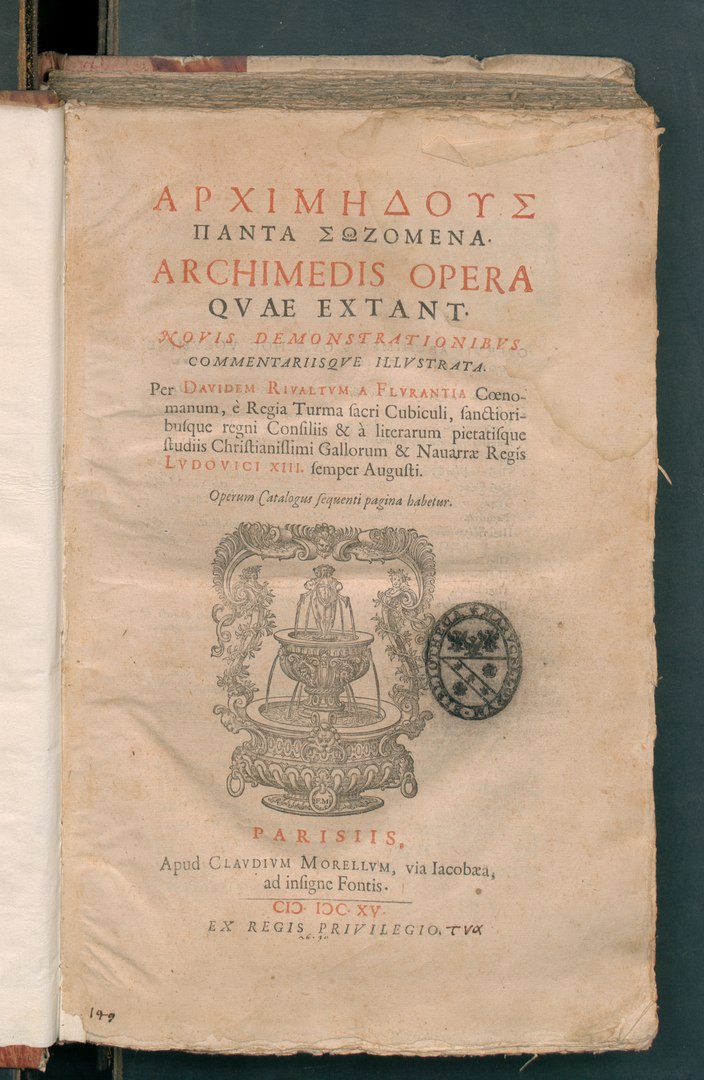
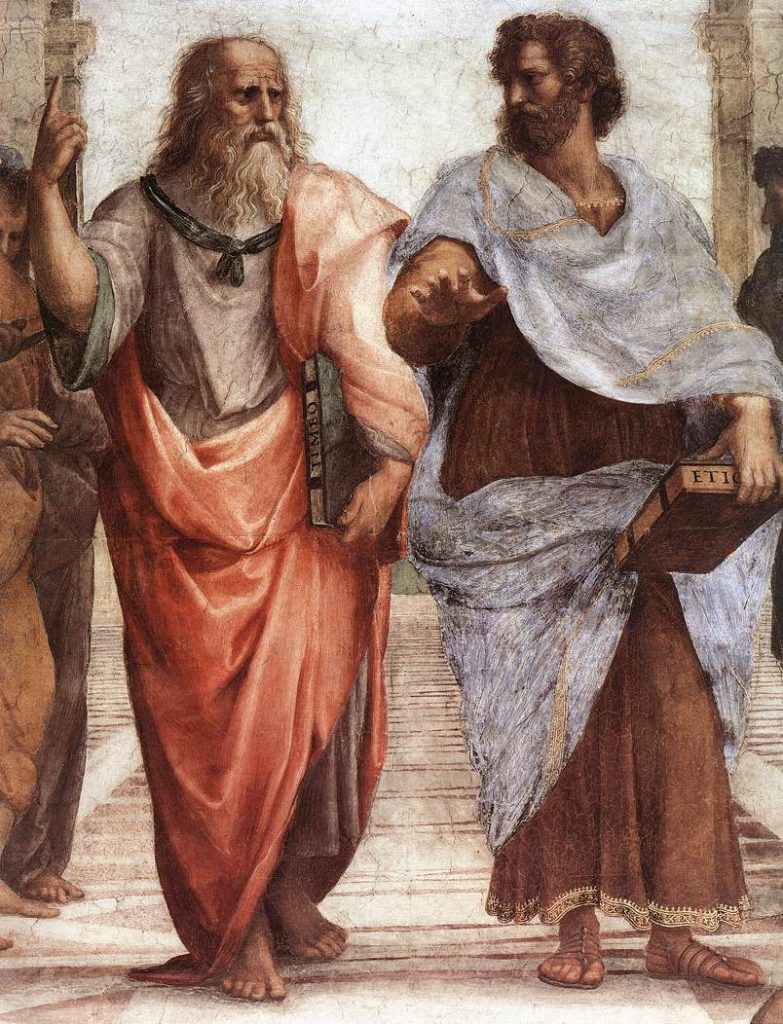
In an imaginative scenario, Aristotle, Archimedes, Plato, and Pythagoras could be discussing the Cosmic Galactic Cruiser (CGC) project in Athens:
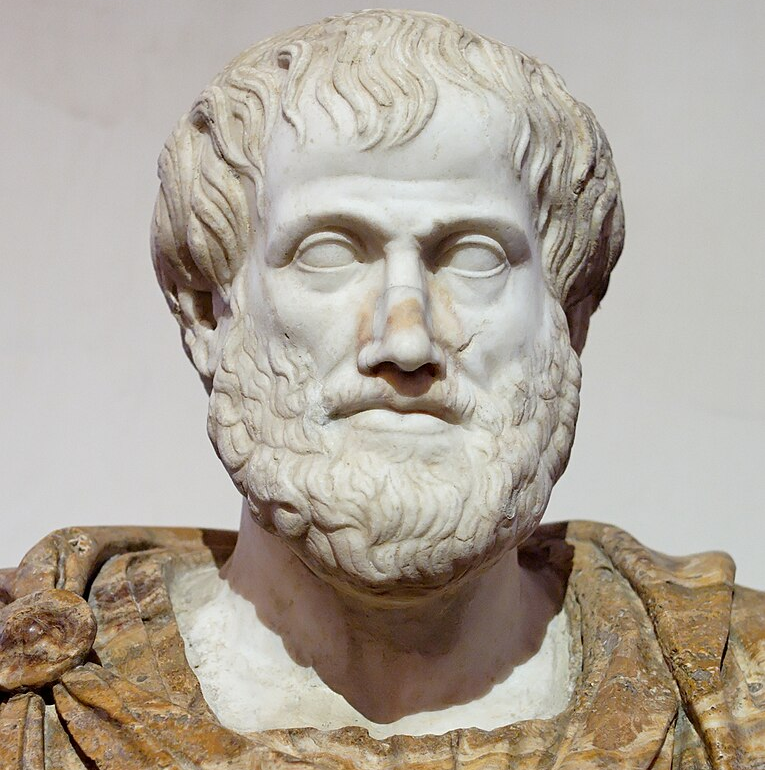
Aristotle: “Gentlemen, have you heard of the Cosmic Galactic Cruiser, a spacecraft that transcends the boundaries of our world and ventures into the depths of the cosmos?”
Archimedes: “Indeed, I have. A fascinating endeavor. It’s as if our thoughts on mechanics and equilibrium are being projected directly into the stars. Imagine what we could discover about lever principles with such a machine!”
Plato: “It’s more than physics and mathematics. This ship is an example of our ideas about the universe. It’s as if our philosophy of Ideals and Forms is materializing in a higher plane.”
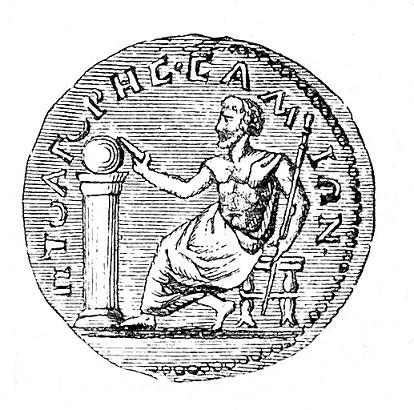
Pythagoras: “I agree. And think of the numbers! The distances, the speeds, the order of the universe they will discover. It’s as if my theories of numbers and ratios are finding practical application in ways we could never have imagined.”
Aristotle: “It’s remarkable how this project explores the nature of our cosmos. It’s a true embodiment of the teleological pursuit I described in my Metaphysics – a quest for knowledge, purpose, and cause.”
Archimedes: “And think of the technological advancements! The CGC project is like a massive lever that could help us move and understand the world as we know it.”
Plato: “But let us not forget that true knowledge and wisdom are not found solely in the stars. They also lie in the understanding of Ideas and Virtue. This ship may explore the stars, but it’s the human soul that undertakes the true journey.”
Pythagoras: “Quite right, Plato. This project, as scientific as it may be, is ultimately a journey of the human spirit. A journey that shows the harmony of the universe lies in numbers and their music.”
No responses yet